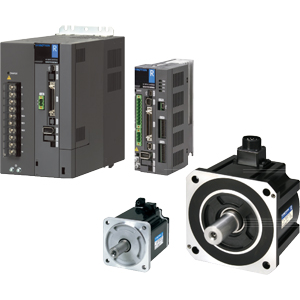
Servo Motors: The Perfect Solution for Precise and Controlled Movements
The world of robotics and automation has been revolutionized by the invention of servo motors. These small yet powerful devices have found their way into various industries, from manufacturing to hobby projects. The phrase “servo servo motor servo drive micro servo servo motor arduino rc servo servo amplifier remote control servo servo amp arduino and servo motor arduino motor stepper linear servo ac servo motor dc servo motor ” may sound complex, but it simply refers to the different components that make up a servo motor system. In this article, we will delve deeper into the features, uses, and advantages of servo motors.
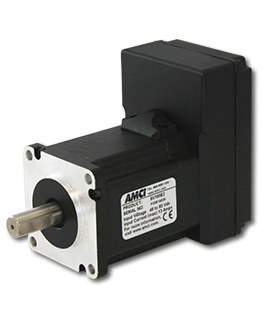
What exactly is a servo motor?
A servo motor is an electrical device that rotates or moves in small and precise steps. It consists of a small DC motor, a position sensing device (such as a potentiometer), and a control circuit. The control circuit receives signals from the position sensor and adjusts the rotation of the motor accordingly, resulting in precise movement. This is what makes servo motors ideal for applications that require accurate positioning, such as robotics, CNC machines, and RC vehicles.
Features and functions of servo motors
Servo motors come in various sizes and torque ratings, making them suitable for a wide range of applications. They can rotate continuously or in limited angles, depending on the type of servo motor. Some models also come with additional features such as feedback control, which allows for even more precise movements.
Servo motors are mainly known for their ability to maintain a specific position even under load. This is achieved through the use of servo drives, which provide the necessary power and control signals to the motor. Servo drives also protect the motor from overloading, making them durable and reliable.
Uses of servo motors
The versatility of servo motors makes them useful in various industries. In manufacturing, they are commonly used in robotic arms for precise and repetitive movements. They are also widely used in CNC machines for milling, cutting, and drilling operations.
In the entertainment industry, servo motors are used in animatronics and special effects, where realistic movements are required. Their compact size also makes them ideal for use in RC vehicles, such as cars, planes, and drones. Additionally, they find applications in household appliances, such as washing machines and dishwashers, for controlling the movement of different parts.
The advantages of using servo motors
One of the main advantages of servo motors is their high precision and accuracy. This allows for smooth and controlled movements, making them suitable for delicate tasks. They also have a quick response time, making them useful in applications that require fast movements.
Servo motors are typically more expensive than other types of motors, but their reliability and durability make them a cost-effective solution in the long run. They also consume less power, making them energy-efficient and environment-friendly.
How to use servo motors with Arduino
If you are new to using servo motors, the popular microcontroller board, Arduino, provides an easy and beginner-friendly way to get started. There are numerous tutorials and projects available online that show how to connect and program servo motors with Arduino. With just a few lines of code, you can make your servo motor move in specific angles or directions.
In conclusion
Servo motors have revolutionized the world of automation and have become an essential component in various industries. From their precise movements to their energy efficiency, servo motors offer numerous benefits that make them a top choice for many applications. With continuous advancements in technology, we can expect to see even more innovative uses of servo motors in the future.