Troubleshooting and Preventing Blocked Drains in Southend: A Comprehensive Guide
Welcome to our guide on how to deal with the common household nuisance – blocked drain southend in Southend. Dealing with a blocked drain can be frustrating, time-consuming, and expensive. However, by following some simple tips and tricks, you can troubleshoot and prevent blocked drains from happening in the first place. So, let’s dive in and learn how to keep your drains flowing smoothly.
Understanding the Root Cause of Blocked Drains
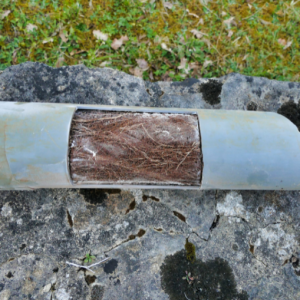
A blocked drain southend can occur due to various reasons, such as flushing down non-biodegradable items, hair buildup, and tree roots infiltrating the pipes. The most common cause is improper disposal of waste, which includes pouring greasy substances down the drain or flushing wet wipes and sanitary products. These items can get stuck in the pipes and create a blockage, causing water to back up and potentially damage your plumbing system.

Signs of a Blocked Drain
Before we dive into troubleshooting and prevention, it’s essential to recognize the signs of a blocked drain. Some common signs include slow draining or standing water in sinks, toilets, and showers. You may also notice a foul smell coming from your drains or gurgling noises when using your plumbing fixtures. If you spot any of these signs, it’s time to take action and unclog your drains.
Troubleshooting Tips for Blocked Drains
If you’re facing a blocked drain southend, don’t panic. There are several simple and effective ways to clear a blockage before calling a professional plumber. One of the easiest methods is to use a plunger. Place it over the drain and vigorously plunge up and down to create suction and dislodge the blockage. Another common method involves using a drain snake, which is a long flexible rod with a coil at the end that can reach deep into the pipes and break up any clogs.
If these methods don’t work, you can try using a homemade solution of baking soda and vinegar. Pour a cup of baking soda down the drain, followed by a cup of vinegar. Let it sit for about an hour before flushing it with hot water. This mixture can help dissolve any organic matter causing the blockage. However, if your attempts are unsuccessful, it’s best to call in a professional plumber to avoid further damage to your plumbing system.
Preventing Blocked Drains
Prevention is always better than cure, and this applies to blocked drains as well. By taking some simple precautions, you can significantly reduce the chances of your drains getting clogged. The most crucial step is to be mindful of what you’re putting down the drain. Avoid pouring grease, oil, and food scraps into your sinks, and dispose of them in the trash instead. Also, use drain covers in your showers and sinks to catch hair and other debris before they enter the pipes.
Regular maintenance is also crucial in preventing blocked drains. Make it a habit to pour boiling water down your drains once a week to help dissolve any buildup. You can also use a mixture of baking soda and vinegar once a month as a preventative measure. Additionally, consider scheduling a professional drain cleaning service every year to remove any buildup and keep your drains running smoothly.
The Importance of Proper Drain Care
Blocked drains can not only cause inconvenience but also lead to more significant issues such as burst pipes and water damage. By following the tips mentioned above, you can save yourself from the hassle, expense, and potential health hazards of dealing with a blocked drain southend. Proper drain care is essential to maintain a healthy and functional plumbing system in your home.
In Conclusion
Blocked drains are a common household issue, but with the right knowledge and preventive measures, you can keep them at bay. By understanding the root causes of blocked drains, recognizing the signs, and taking appropriate troubleshooting and prevention steps, you can maintain free-flowing drains in your home. Remember, when in doubt, it’s best to call in a professional plumber to avoid any further damage. We hope this guide has been helpful and will save you from dealing with a clogged drain anytime soon.